When Can Babies Eat Lettuce, cooked? (6+ Months WHO Safety, Allergens & USDA Nutrients)
Evidence-based pediatric feeding profile for Lettuce, cooked: minimum introduction age (6+ months), allergen screening, texture progression for Baby-Led Weaning (BLW) vs spoon-feeding, and critical infant micronutrients per 100g.
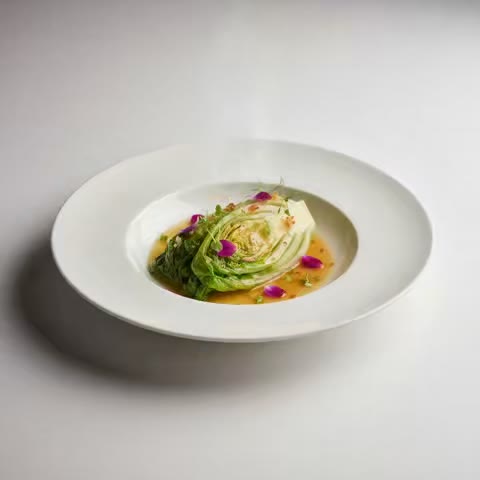
Surprisingly delicious, cooked lettuce transforms into a tender, slightly sweet, and earthy green, often used in braises or stir-fries for a unique texture. --- RECIPE --- Servings: 2 Prep Time: 10 minutes Ingredients: - 1 head romaine or butter lettuce - 1 tablespoon olive oil - 1 clove garlic, minced (optional) - 1/4 cup vegetable broth - Salt to taste - Black pepper to taste Instructions: 1. Wash lettuce thoroughly and chop into large pieces. 2. Heat olive oil in a large skillet over medium heat. Add garlic (if using) and cook for 30 seconds. 3. Add chopped lettuce and broth. Cook, stirring, until lettuce wilts, about 3-5 minutes. 4. Season with salt and pepper before serving. In Wise Eating: AI Food Tracker, adding a child profile (6 months+) automatically checks every meal and recipe ingredient against WHO infant safety rules, choking hazards, and allergen flags.
Pediatric Growth Micronutrients in Lettuce, cooked (Per 100g USDA)
Between 6 and 24 months, infants require high nutrient density per spoonful—especially Iron (for myelination), Zinc (immune and linear growth), Choline & DHA (brain cortex development), and Calcium & Vitamin D (skeletal ossification).
How to Prepare Lettuce, cooked by Baby Age Stage (6–24 Months)
| Infant / Toddler Stage | Texture & Cutting Preparation | Feeding Method & Safety Notes |
|---|---|---|
| 6–8 Months (Early Solids) | Smooth puree, mashed fork texture, or soft two-finger-squishable strips. | Pass the squish test between thumb and index finger; avoid hard round pieces and added salt/honey. |
| 9–12 Months (Pincer Grasp) | Soft bite-sized pea-sized cubes, shredded strips, or minced into porridge/yogurt. | Encourage self-feeding with thumb-and-forefinger pincer grasp alongside iron-rich pairings. |
| 12–24 Months (Toddler Table) | Tender fork-bite pieces integrated into family recipes with minimal added sodium. | Combine with Vitamin C sources (6.4mg native per 100g) to maximize non-heme iron uptake. |
Complete Infant Micronutrient Table for Lettuce, cooked
| Pediatric Nutrient | Per 100g USDA | Per 30g Baby Portion (~2 Tbsp) | Role in Infant Development |
|---|---|---|---|
| Energy (Calories) | 49 kcal | 14.7 kcal | Fuels rapid infant weight and brain growth |
| Protein | 1.06 g | 0.318 g | Tissue, organ, and enzyme synthesis |
| Total Fat | 3.11 g | 0.933 g | Myelin sheath formation & fat-soluble vitamins |
| Iron (Fe) | 0.29 mg | 0.087 mg | Prevents infant anemia & supports cognitive development |
| Zinc (Zn) | 0.3 mg | 0.09 mg | Immune defense, gut mucosa & growth velocity |
| Choline | 12.2 mg | 3.66 mg | Acetylcholine memory pathways & neural plasticity |
| Calcium (Ca) | 36 mg | 10.8 mg | Bone & primary tooth mineralization |
| Vitamin A (RAE) | 340 µg | 102 µg | Retinal vision & respiratory mucosal barrier |
| Vitamin C | 6.4 mg | 1.92 mg | Enhances non-heme iron absorption up to 3x |
| Vitamin D | 0 µg | 0 µg | Calcium absorption & rickets prevention |
| Total Folate (B9) | 33 µg | 9.9 µg | Rapid cell division & hematopoiesis |
| Omega-3 DHA | 0 g | 0 g | Retinal acuity & cerebral cortex structure |
More Baby & Toddler First Foods to Explore

Frequently Asked Questions
Based on WHO and pediatric nutrition guidelines built into Wise Eating, Lettuce, cooked has a recommended minimum age of 6+ months, provided it is prepared in an age-appropriate, choke-safe texture.
No, Lettuce, cooked is not tagged with any of the Top 9 major food allergens in the Wise Eating USDA catalog.
Per 100g (or divide by ~3.3 for a 30g two-tablespoon baby serving), Lettuce, cooked provides 0.29mg of Iron, 0.3mg of Zinc, 12.2mg of Choline, 36mg of Calcium, and 0g of Omega-3 DHA.
Wise Eating: AI Food Tracker (App Store ID 6751406823) replaces standalone $99/yr baby food apps by combining WHO minimum age alerts, allergen screening, and 100+ USDA micronutrients for both infants and adults.